

The Real Cost of New Vinyl Records: The 2026 Collector & Label Guide
Understanding vinyl pricing has become essential for musicians, labels, and collectors navigating today's booming market. With vinyl sales continuing their upward trajectory and production costs fluctuating, knowing what drives record prices helps everyone make smarter decisions: whether you're pressing your first album or hunting for the perfect addition to your collection.
Production Costs: What Labels Actually Pay
The foundation of vinyl pricing starts at the pressing plant. For established labels running larger quantities, production costs typically range from $10 to $15 per unit when pressing 10,000 records or more. However, most independent releases work with smaller batches of 300 to 500 units, where costs remain in the same $10-$15 range per record: translating to approximately $2,000 to $3,000 for a complete project.
This pricing structure reflects the fixed costs associated with vinyl manufacturing. Setup fees, mastering transfers, test pressings, and initial equipment configuration must be covered regardless of quantity. Larger runs spread these costs across more units, but the per-unit savings aren't as dramatic as many expect.
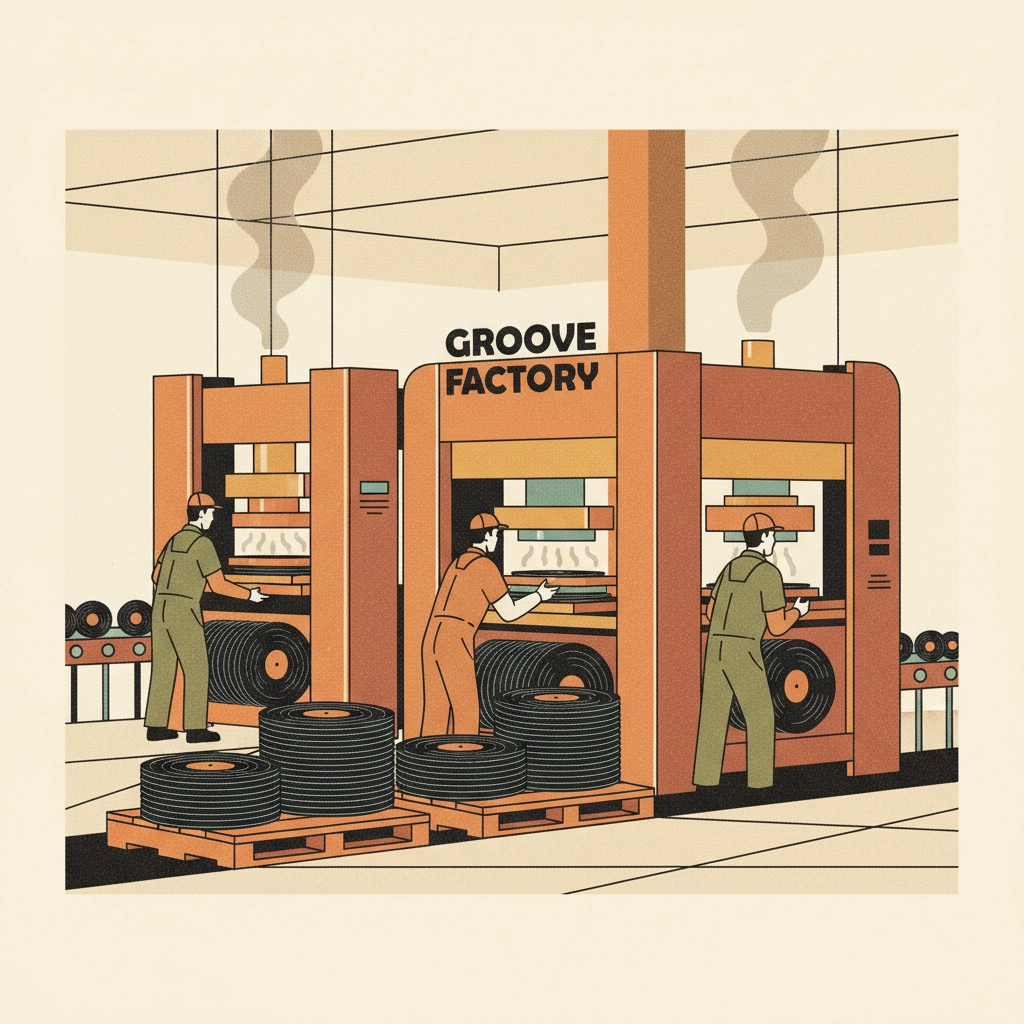
Several factors influence production costs beyond basic pressing:
Vinyl Weight and Quality: Standard 140-gram vinyl represents the baseline cost. Upgrading to 180-gram or 200-gram vinyl adds $0.50 to $2.00 per unit, depending on the pressing plant and quantity.
Color and Special Effects: Black vinyl remains most affordable. Colored vinyl typically adds $0.25 to $0.75 per unit. Special effects like splatter, marble, or glow-in-the-dark can increase costs by $1.00 to $3.00 per record.
Packaging Complexity: Standard jackets with simple printing cost less than gatefold sleeves, which add approximately $1.50 to $3.00 per unit. Premium packaging with spot UV, embossing, or multiple inserts can increase costs significantly.
Retail Pricing Factors
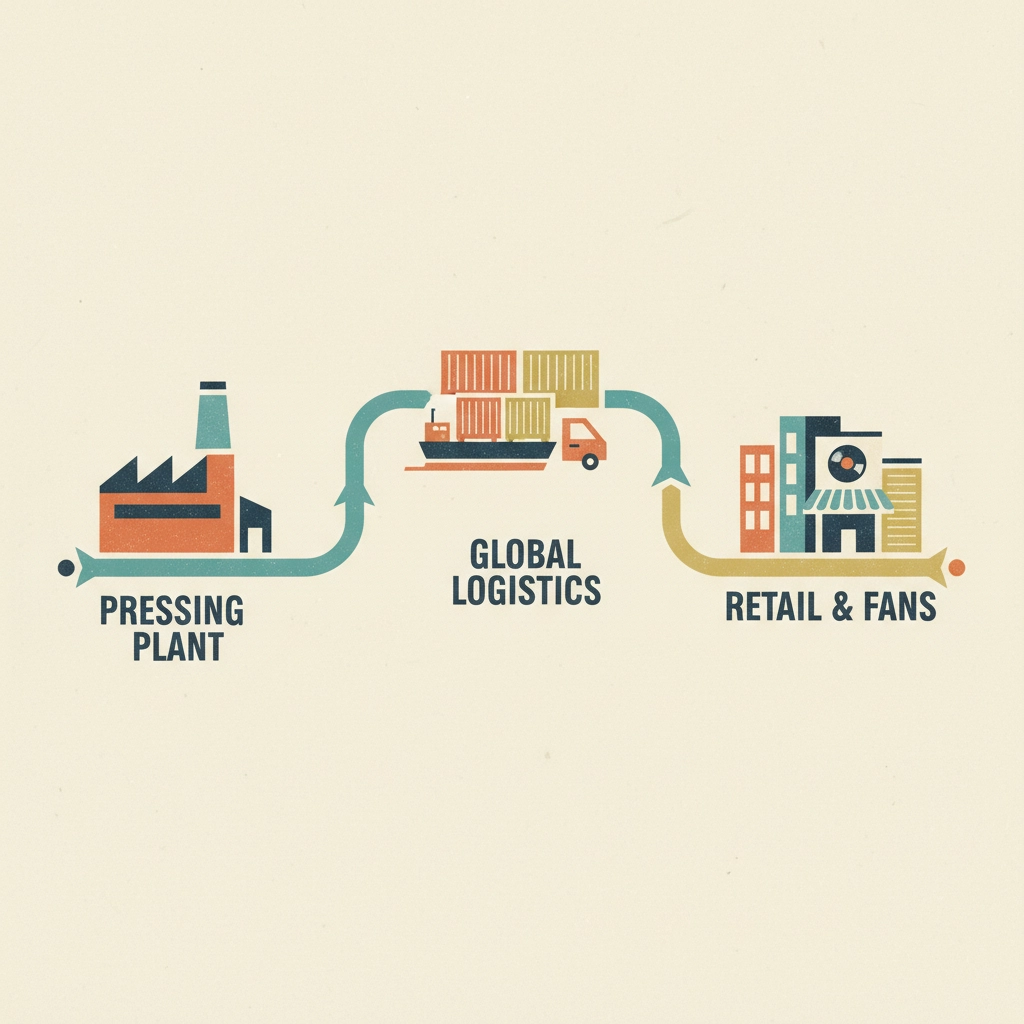
The journey from pressing plant to record store involves multiple markups and considerations that affect final pricing.
Distribution Markups: Traditional distribution typically involves 50-60% markups from wholesale to retail. A record costing $12 to produce might wholesale for $8-10 and retail for $25-30.
Artist Popularity and Demand: Established artists command higher prices due to guaranteed demand. New releases from major artists often start at $30-40 for standard editions, while independent or lesser-known artists typically price between $20-28.
Genre Premiums: Certain genres consistently command higher prices. Jazz reissues, metal releases, and limited electronic music pressings often retail 20-30% above standard rock or pop releases due to dedicated collector bases.
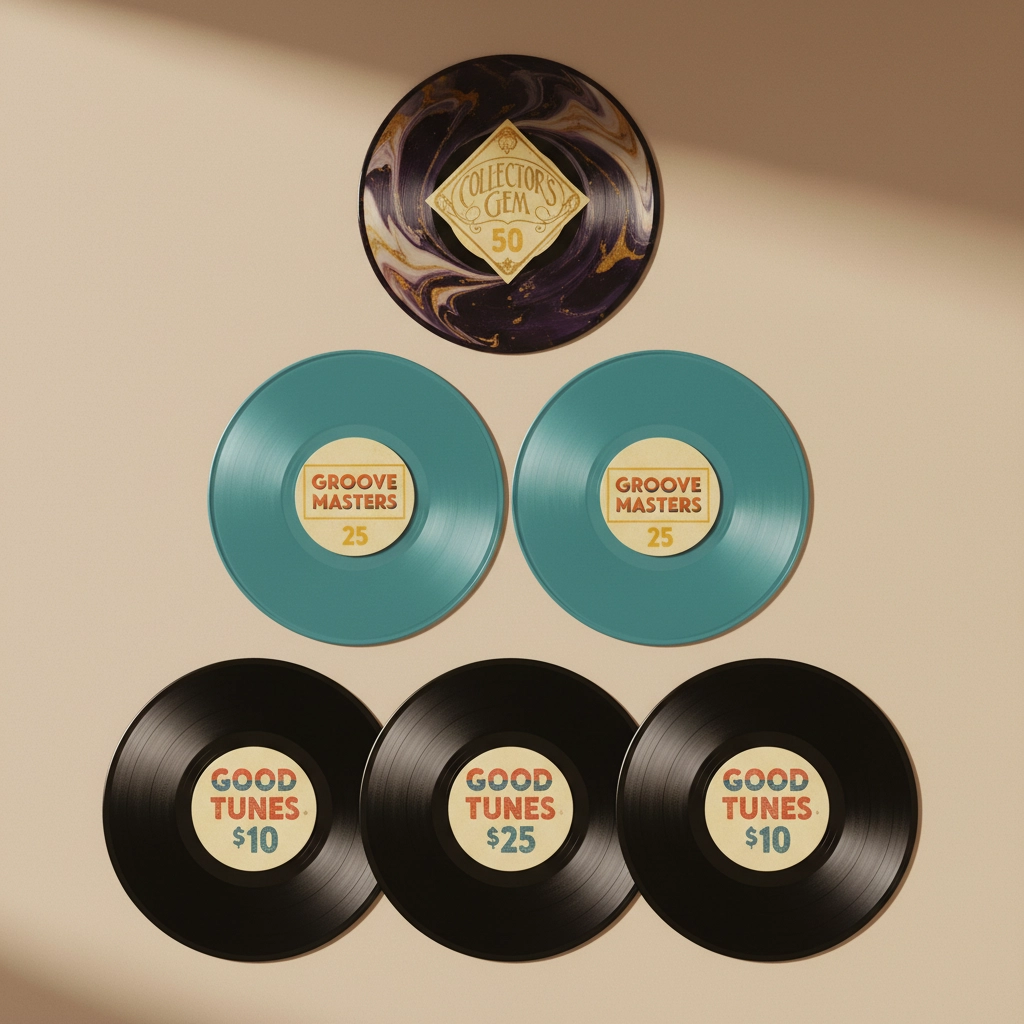
Limited Edition Strategies: Many labels now employ tiered pricing strategies. A standard black vinyl might retail for $25, while a limited colored version sells for $35-40, and a deluxe package with bonus materials reaches $50-75.
Regional and Shipping Considerations
Geographic location significantly impacts vinyl costs in 2026.
Manufacturing Location: Most vinyl pressing occurs in Europe and North America, with some facilities in Asia. Shipping raw materials and finished products across continents adds $2-5 per unit to final costs.
Local Market Variations: European markets often see 10-15% higher retail prices than North American markets due to VAT and import duties. Japanese releases frequently cost 30-50% more due to premium packaging expectations and smaller market size.
Shipping and Logistics: Direct-to-consumer shipping typically adds $5-8 per record for standard shipping, with expedited options reaching $15-20. International shipping can easily double these costs.
Special Features That Drive Costs
Modern vinyl releases increasingly incorporate features that justify higher price points.
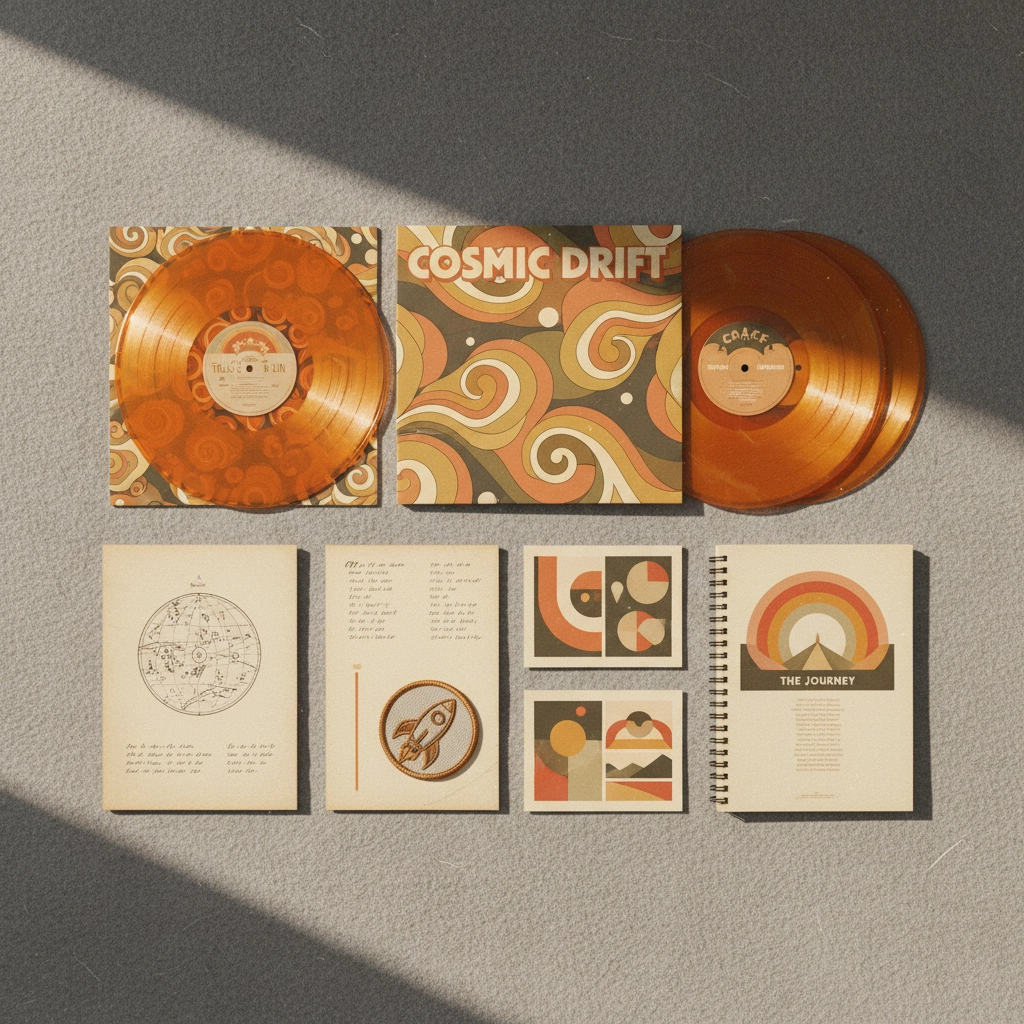
Multiple Format Bundles: Many artists now offer vinyl bundled with digital downloads, CDs, or streaming credits. These packages often retail for $35-50 compared to $25-30 for vinyl-only releases.
Artist Merchandising Integration: Vinyl paired with exclusive artwork, signed inserts, or limited merchandise can command 2-3 times standard pricing. Taylor Swift's special edition releases exemplify this approach, with some packages exceeding $100.
Audiophile Considerations: Half-speed mastered releases, audiophile pressing plants, and premium packaging specifically targeting serious collectors often retail 40-60% above standard releases.
Used Vinyl Cost Comparison
Understanding new vinyl pricing requires context from the used market.
Condition Premium: Near-mint used records from the same era often cost 60-80% of new release pricing, making new vinyl increasingly competitive for recent releases.
Rarity vs. Availability: Out-of-print albums command premium pricing regardless of original cost. A $25 release from five years ago might sell for $75-150 used if never repressed.
Market Timing: Used vinyl prices fluctuate based on repress announcements. Original pressings often drop 20-40% when official represses are announced, then recover as collectors distinguish between pressings.
2026 Market Trends
Several trends are shaping current vinyl pricing:
Supply Chain Stabilization: Production backlogs that plagued 2020-2023 have largely resolved, leading to more predictable pricing and turnaround times.
Premium Positioning: Rather than competing on price, many labels position vinyl as premium products with enhanced packaging and exclusive content.
Direct-to-Fan Sales: Artists increasingly sell directly to fans, eliminating distribution markups but often maintaining retail-level pricing to maximize revenue.
Subscription Models: Vinyl subscription services are creating new pricing models, often offering 20-30% discounts for committed collectors while ensuring predictable revenue for labels.
Smart Purchasing Strategies
For collectors looking to optimize their spending:
Pre-order Discounts: Many retailers offer 10-15% discounts for pre-orders, particularly for established artists with guaranteed demand.
Bundle Optimization: Calculate per-item costs when multiple albums are bundled together. Individual pricing often beats bundle pricing for selective buyers.
Repress Timing: First pressings typically cost more but may hold value better. Later pressings often offer identical audio quality at reduced prices.
For labels planning releases:
Quantity Planning: Carefully analyze expected demand. Overproduction ties up capital, while underproduction loses sales to secondary markets.
Feature Justification: Each special feature should justify its cost through enhanced perceived value or collector appeal.
Pricing Psychology: $29.99 often outperforms $30.00 in sales volume, while $35 can seem significantly more expensive than $32.
Looking Forward
Vinyl pricing in 2026 reflects a mature market where production costs have stabilized, but demand continues growing. Labels increasingly focus on value-added features rather than competing solely on price, while collectors become more selective about purchases.
Understanding these cost drivers helps everyone participate more effectively in the vinyl ecosystem: whether pressing your first record, expanding your label's catalog, or building a collection that balances passion with budget realities.
The key lies in recognizing that vinyl pricing encompasses far more than simple production costs, involving complex interactions between manufacturing, marketing, distribution, and consumer psychology that continue evolving with the format's ongoing renaissance.
