

How Indie Artists Can Get Their Music Distributed on Vinyl & CD in Canada (and the US): The 2026 Guide
Getting your music pressed on vinyl or CD isn't just for major labels anymore. With vinyl sales hitting record highs and physical media experiencing a surprising comeback, indie artists across Canada have more options than ever to get their music into fans' hands, literally.
But here's the thing: physical distribution is a whole different beast than uploading to Spotify. You need to know the players, understand the process, and have a solid game plan. Let's break it all down.
Why Physical Distribution Still Matters in 2026
Before we dive into the how-to, let's talk about why you should care. Vinyl now makes up about 70% of all physical music sales, and those sales represent real money: often $25-40 per album versus pennies from streaming. Plus, physical releases give you something tangible to sell at shows, create limited editions that superfans will pay premium prices for, and build a deeper connection with your audience.
Physical media isn't competing with streaming: it's complementing it. Smart artists use digital for discovery and physical for monetization.
Getting Distributed in Canada: Your Main Options
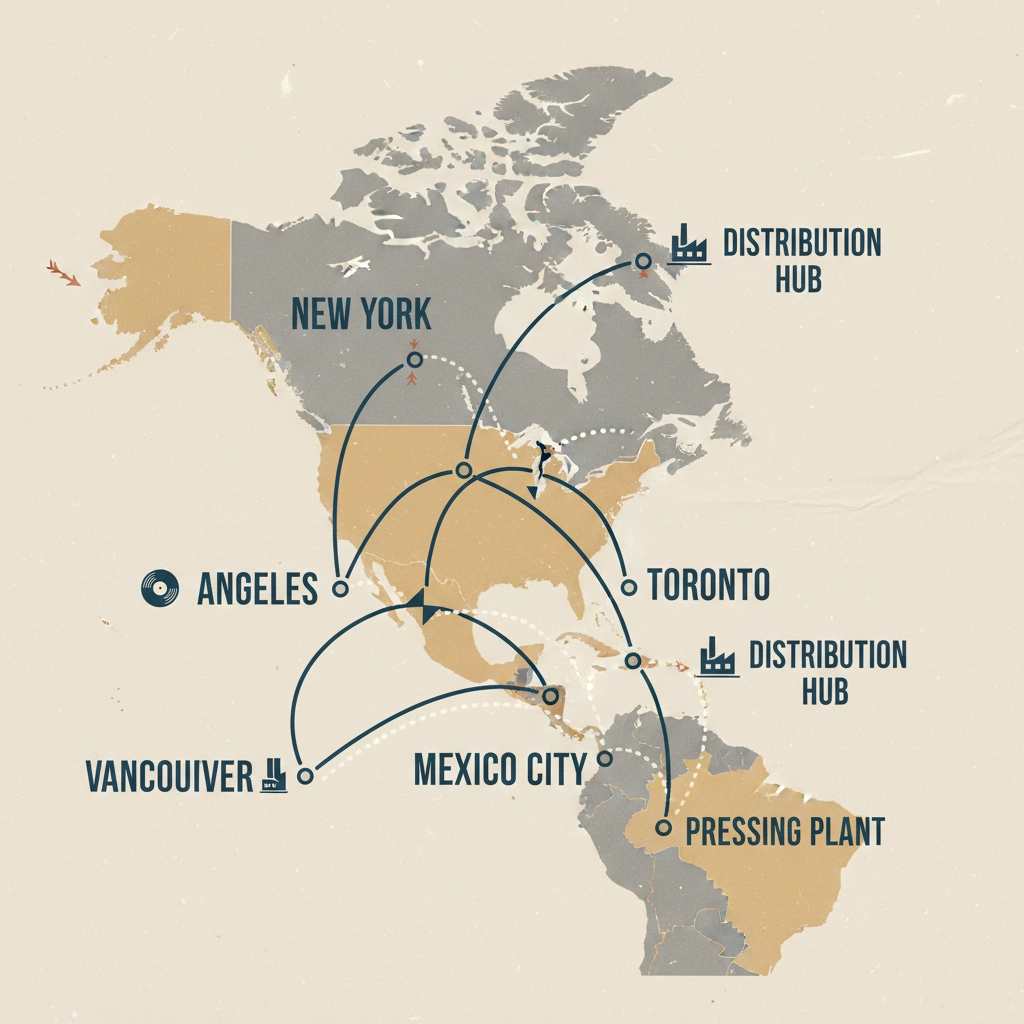
Isotope Music Distribution
Isotope Music is one of Canada's most established independent distributors. They've been around since 1999 and specialize in getting Canadian indie music into record stores across the country. They handle both vinyl and CD distribution and have relationships with major retail chains like HMV, independent record stores, and online retailers.
What makes Isotope special is their focus on Canadian artists and their understanding of the Canadian market. They offer both digital and physical distribution, making them a one-stop shop. Their team actually listens to submissions and provides personalized service: something you won't get from the bigger automated platforms.
FAB Distribution
FAB Distribution is another solid Canadian option that's been serving independent labels and artists since 1992. They distribute to over 450 retail accounts across Canada and have a strong network of independent record stores.
FAB is particularly good for vinyl distribution and has experience working with pressing plants to help coordinate manufacturing timelines. They also offer marketing support and can help with getting your releases into key Canadian music publications.
Other Canadian Options
Sonic Unyon Records - Based in Hamilton, Ontario, they offer distribution services for indie artists and have a strong network in Canadian indie retail.
Outside Music - Toronto-based distributor that works with independent artists and labels across Canada.
MapleMusic Recordings - Another Canadian distributor with good retail relationships, particularly strong in Ontario and Quebec markets.
The Manufacturing Side
Before you can distribute, you need to manufacture. Here are key Canadian pressing plants and manufacturers:
Precision Record Pressing (Burlington, ON) - One of the few vinyl pressing plants in Canada Cyclone Records (Montreal, QC) - CD and vinyl manufacturing Maple House Records (Various locations) - CD duplication services
US Distribution: Expanding Your Reach
If you want to hit the larger US market, here are the key players:
CD Baby
CD Baby remains one of the top choices for indie physical distribution. They offer vinyl-on-demand services, CD manufacturing, and distribution to major US retail chains. Their one-time fee structure (around $50-70 for albums) makes them cost-effective for smaller runs.
AMPED Distribution
AMPED specializes in independent music and has strong relationships with US indie record stores. They're selective but offer excellent support for artists they take on.
The Orchard (Sony)
The Orchard is Sony's independent distribution arm. They're harder to get into but offer major-label-level distribution when you're ready to scale up.
Creative Distribution Strategies
Crowdfunding Your Pressing
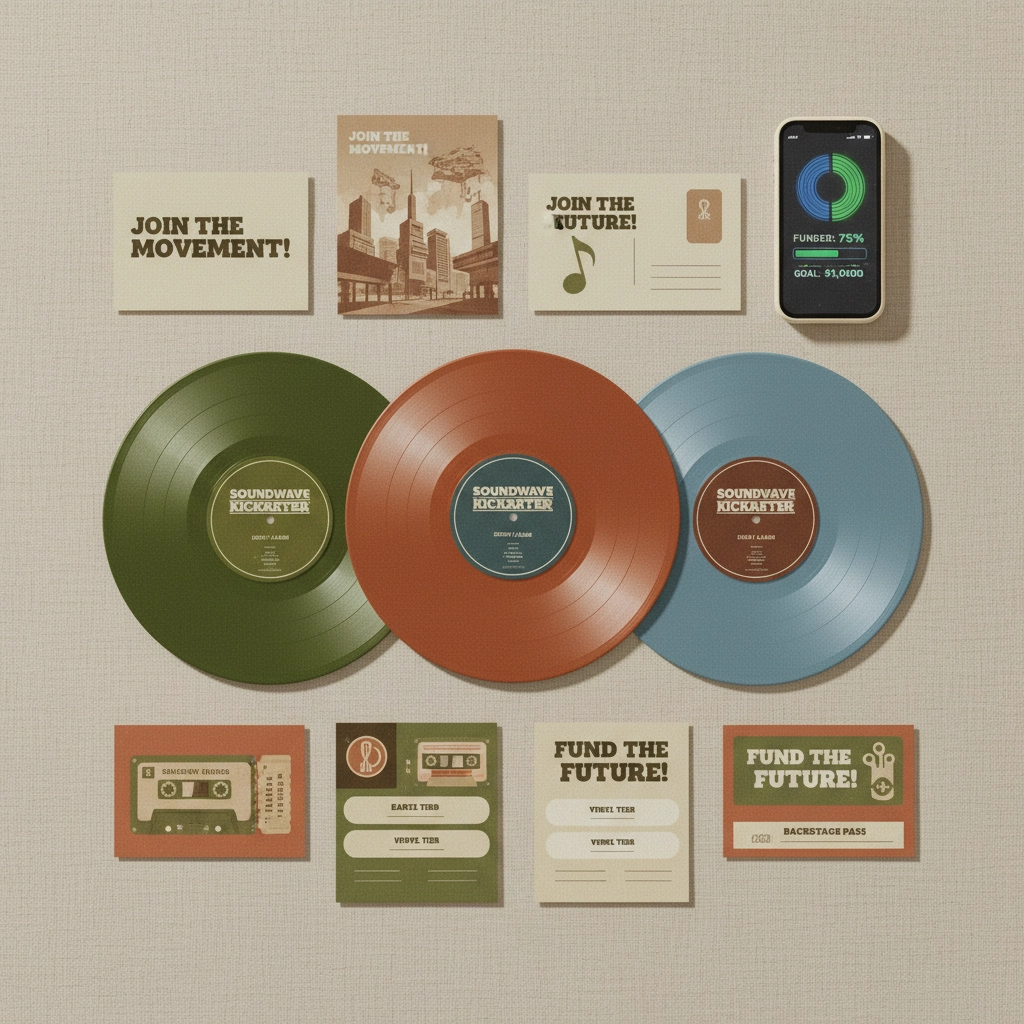
Platforms like Kickstarter, Indiegogo, and PledgeMusic (if it returns) let you fund your pressing before manufacturing. This eliminates financial risk and builds hype. Set realistic goals: most vinyl campaigns need $3,000-5,000 minimum to cover pressing 300-500 units.
Pro tip: Offer exclusive variants, test pressings, and bundled merchandise to hit higher funding tiers.
Pre-Sales and Limited Editions
Sell your vinyl before it's pressed. Create scarcity with colored variants, numbered editions, or exclusive artwork. Many successful indie artists fund their entire pressing through pre-sales alone.
Tools like Bandcamp, BigCommerce, or even Shopify make this easy to set up. Just make sure you're clear about shipping timelines: vinyl pressing can take 3-6 months.
Local Record Store Relationships
Don't overlook independent record stores in your city. Many will take consignment copies of local artists' releases. Build relationships by:
- Shopping there regularly
- Playing in-store performances
- Offering to do release parties at the store
- Providing promotional materials and maybe some free copies for staff
Giveaway Campaigns
Use social media contests to build buzz before your release. Partner with music blogs, local radio stations, or other bands for cross-promotion. The key is building your email list and social following, not just giving away free stuff.
Direct-to-Fan Sales
Your biggest profit margins come from selling directly to fans. Use platforms like:
- Bandcamp (lowest fees, music-focused audience)
- Your own website with WooCommerce or Shopify
- Square for in-person sales at shows
- PayPal or Stripe for direct transactions
Step-by-Step Process
1. Plan Your Release (3-6 Months Ahead)
- Finalize your tracklist and artwork
- Decide on formats (vinyl, CD, or both)
- Determine quantities (start small: 300-500 for vinyl, 1,000 for CDs)
- Set your budget ($2,000-4,000 for vinyl, $500-1,000 for CDs)
2. Get Your Audio Mastered
Physical formats require different mastering than digital. Work with an engineer experienced in vinyl mastering: the format has specific limitations around bass frequencies and dynamic range.
3. Choose Your Manufacturer
Get quotes from multiple pressing plants. Lead times vary wildly: anywhere from 8 weeks to 6 months depending on demand and plant capacity.
4. Apply to Distributors
Most distributors want to see:
- Professional artwork and audio quality
- An existing fanbase or sales history
- A marketing plan
- Professional presentation (no typos, complete information)
5. Coordinate Release Timing
Physical and digital releases don't have to be simultaneous. Many artists release digitally first to build buzz, then follow with limited physical editions.
Making Sure You Actually Get Paid
ISRC Codes Are Essential
Every track needs an International Standard Recording Code (ISRC). These 12-character codes ensure you get credited and paid when your music is played, sold, or streamed. Register through:
- Music Canada (for Canadian artists)
- SOCAN also provides ISRC codes to members
- Many distributors can generate them for you
Register with Collection Societies
In Canada, register with:
- SOCAN (performance royalties)
- Re:Sound (neighbouring rights)
- CMRRA (mechanical royalties)
Keep Detailed Records
Track everything: manufacturing costs, distribution fees, promotional expenses, and all sales. This information is crucial for tax purposes and understanding your actual profit margins.
The Reality Check
Physical distribution isn't a get-rich-quick scheme. Most indie artists break even on their first pressing and make profit on subsequent runs. The real value often comes from:
- Merchandise sales at shows (huge profit margins)
- Building a collector fanbase willing to pay premium prices
- Creating talking points for media coverage
- Having something special for your biggest supporters
Getting Started
Start small, think local, and build relationships. Get your first 300 vinyl or 1,000 CDs made, work with Canadian distributors like Isotope or FAB to get into local stores, and use creative strategies like pre-sales and local partnerships to fund your pressing.
Remember, physical distribution is a marathon, not a sprint. Focus on building a sustainable approach that complements your digital strategy, and don't expect overnight success. But when a fan pulls your vinyl off the shelf at their local record store: or better yet, posts an unboxing video of your limited edition package: you'll understand why physical media still matters in 2026.
The key is starting with a solid plan, realistic expectations, and the patience to build your physical presence one record store and one fan at a time.
