

How Buying Merch Can Support Canadian Indie Musicians For Success
TL;DR: Official merchandise gives Canadian independent musicians a direct revenue stream beyond streaming, ticket sales, and royalties. Buying from an artist’s official store, show table, or trusted Canadian retailer can help fund recording, touring, promotion, and daily operating costs.
Why merch works
Merchandise creates a direct payment between fans and artists. A shirt, hoodie, poster, or accessory can produce more usable income than thousands of streams. Artist merch can also promote a band when fans wear or share it. Canadian shoppers can increase the impact by choosing official products and buying through channels that clearly identify the artist.
What does merchandise do for an independent musician?
Independent musicians usually manage several costs at once:
- Recording
- Mixing and mastering
- Artwork and design
- Manufacturing
- Travel
- Accommodation
- Food
- Equipment maintenance
- Marketing
- Website and payment fees
- Taxes and business expenses
Streaming and recorded music royalties may not cover these costs quickly. Merchandise gives artists another source of revenue with more control over pricing, production quantities, and sales channels.
A $30 or $40 merchandise sale is not pure profit. The artist may still pay for the blank garment, printing, packaging, shipping, payment processing, venue fees, and taxes. However, the remaining margin can still be more useful than a small streaming payment.
A previous Funky Moose Records breakdown of Canadian band merchandise economics outlines common production costs and venue deductions. The exact amount varies by artist and product.
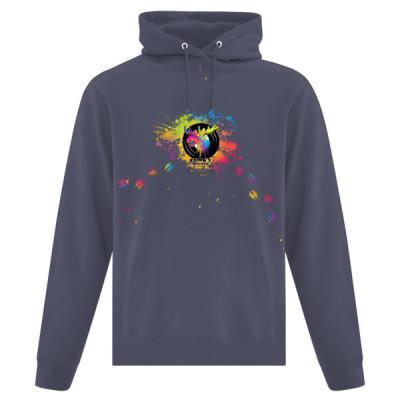
Why is merch often more valuable than streaming?
How do streaming payments compare?
Streaming services usually pay fractions of a cent per play. The payment depends on the service, country, subscription type, rights agreements, distributor, label, and other factors.
The artist may also share the royalty with:
- Co-writers
- Producers
- Labels
- Publishers
- Managers
- Distributors
This means a song can have many listeners without producing enough income to cover one business expense.
Merchandise has a different structure. The artist pays production costs first, then keeps the remaining amount after fees and deductions. For a small artist with an established audience, this can create faster access to usable cash.
Is there a fixed merch-to-streaming comparison?
No. There is no universal conversion rate.
A $40 shirt may have a higher margin than a stream, but the result depends on:
- Production quantity
- Shirt quality
- Printing method
- Shipping cost
- Retail price
- Venue agreement
- Payment fees
- Unsold inventory
Treat comparisons such as “one shirt equals thousands of streams” as general illustrations, not fixed accounting figures.
What did Canadian research find about fan spending?
A Simon Fraser University study on independent Canadian artists surveyed 325 fans about spending on independent Canadian musicians.
The study reported:
- 20% of respondents bought official merchandise when it was available.
- The median amount spent on merchandise among buyers was $20.
- Official merchandise had the strongest relationship with total fan spending among the product categories tested.
- Fans were more likely to spend when they felt a strong connection to the artist.
- Merchandise was identified as a lower-cost product opportunity compared with professional studio recording.
The study was published in 2011. Music platforms, production costs, and shopping habits have changed since then. The findings remain useful as background, but they should not be treated as current national averages.
The main point is direct: fans need an available product, and official merch gives them a practical way to provide financial support.
Which merchandise products help artists most?
Are shirts and hoodies useful?
Yes. Apparel is common because it has several uses:
- Clear visual branding
- Practical value
- Repeat wear
- Public visibility
- Easy online fulfilment
- Multiple price points
A shirt may be easier for a casual fan to buy. A hoodie may produce a higher dollar value but usually costs more to make and ship.

Do posters and accessories matter?
Yes. Lower-priced products can help fans with limited budgets participate.
Examples include:
- Stickers
- Patches
- Posters
- Pins
- Tote bags
- Beanies
- Keychains
These items may produce less profit per sale than apparel. They can still increase the number of people who buy official merchandise.
What about limited editions?
Limited editions can create demand among dedicated fans. Examples include:
- Numbered prints
- Signed posters
- Small-run apparel
- Special packaging
- Tour-specific designs
- Collaborations with Canadian artists or designers
Limited runs carry inventory risk. Artists need to estimate demand before committing money to production.
Where should Canadians buy artist merchandise?
Is buying at a concert effective?
Usually, yes. A merchandise table at an independent venue often provides a direct sales opportunity. Fans can:
- Attend the show.
- Visit the merch table.
- Ask whether the item is official.
- Pay the posted price.
- Follow the artist online.
Venue deductions may apply. Some venues take a percentage of gross merchandise sales. The exact policy can range from venue to venue.
Buying at the show also gives the artist useful information about local demand. Sales can help determine whether returning to that city is financially practical.
Is buying from the artist’s website better?
Often. An official artist website can reduce the number of intermediaries. The artist may still pay for:
- Website hosting
- Shopify or platform fees
- Payment processing
- Packaging
- Postage
- Customer service
- Inventory storage
Check whether the website identifies the artist, label, or official distributor before purchasing.
Do Canadian retailers support the music ecosystem?
They can. A Canadian retailer may provide local fulfilment, customer service, promotion, and access to music-related products. Buying from Canadian businesses can also keep spending within the wider domestic ecosystem, including printers, designers, shippers, and marketing providers.
The payment path is important. A retailer selling an artist’s licensed merch may have a different agreement from an artist selling directly. Check the product description or retailer policy when the information is available.
Dropout Entertainment provides one Canadian example of transparent merchandise information. Its shop states that band merchandise sales go to artists after print costs. Policies differ between businesses, so do not assume every retailer uses the same arrangement.
How does wearing merch promote an artist?
Merchandise can function as offline promotion.
A shirt, hoodie, tote bag, or sticker can:
- Start a conversation
- Identify a fan community
- Introduce an artist to new listeners
- Reinforce the artist’s visual identity
- Keep the artist visible between releases and tours
This effect is not a replacement for a marketing campaign. It is a low-cost form of repeated exposure.
Fans can extend the impact by:
- Wearing the item in public
- Tagging the artist in a post
- Sharing the official store link
- Mentioning the artist to friends
- Using the artist’s approved hashtags
- Posting a review after purchase
Ask permission before using an artist’s name, image, or merchandise in commercial content.

How can fans support artists without overspending?
Support does not require a large purchase.
Options include:
- Buying one official sticker
- Choosing a shirt instead of an unofficial copy
- Purchasing at a local show
- Sharing a release
- Adding a song to a personal playlist
- Sending an artist’s link to one friend
- Paying the listed price
- Avoiding counterfeit merchandise
- Leaving a useful product review
Avoid asking artists for discounts unless a sale is advertised. Independent musicians may already be working with narrow margins.
If shipping applies, combine purchases when practical. Canadian shipping costs can be high between provinces and territories. A combined order may reduce the cost per item.
How can buyers verify that merch is official?
Use a basic check:
- Start with the artist’s verified website or social profile.
- Follow links to the listed store.
- Check the artist or label name.
- Review the product description.
- Confirm the currency.
- Check shipping and return terms.
- Avoid listings using copied artwork or unusually low prices.
- Contact the artist or seller if ownership is unclear.
Official merchandise supports the artist. Unofficial merchandise may only support the third-party seller.
Support emerging musicians through merchandise
Buying merch helps support emerging indie musicians. It gives fans a practical way to contribute to the Canadian music ecosystem while receiving a useful item in return.
Visit the Funky Moose Records merchandise section. Review the available merchandise, confirm the item details, and continue to checkout when ready.
Key Takeaways
- Official merch provides Canadian independent musicians with revenue beyond streaming.
- Apparel, posters, and accessories can help fund recording, touring, marketing, and operating costs.
- Buying directly from an artist or a transparent Canadian retailer can improve the support provided.
- Wearing and sharing official merch can increase artist visibility.
- Buying merch helps support emerging indie musicians.
