

Getting Your Music Heard: A Modern Guide to Release Promotion for Bands & Solo Artists
Releasing new music in 2026 means navigating a landscape that's both more accessible and more competitive than ever. With millions of songs uploaded to streaming platforms daily, getting your music heard requires strategy, persistence, and smart promotion tactics.
Whether you're dropping your first single or your fifth album, this guide breaks down the essential steps to maximize your release's impact and reach the right ears.
Start With Pre-Release Planning
Set Your Timeline
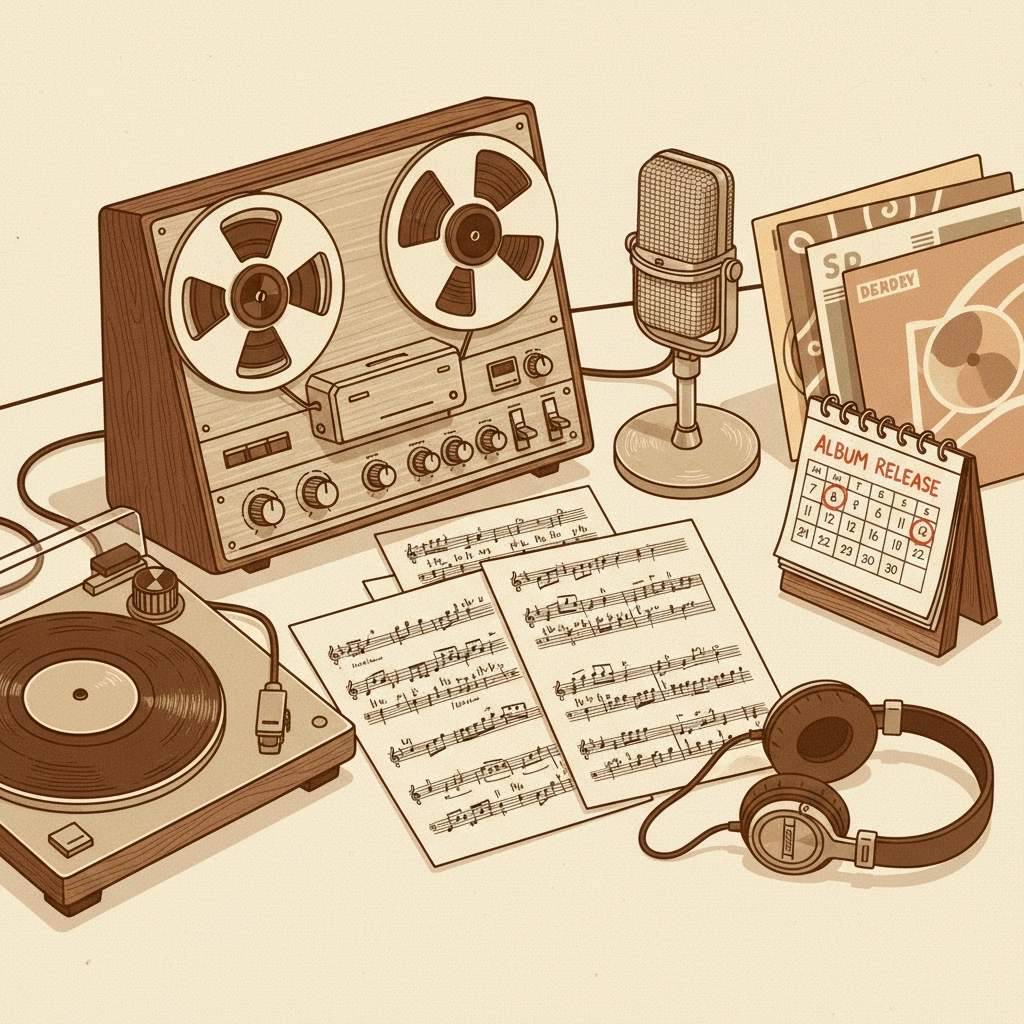
Plan your release at least 8-12 weeks ahead. This gives you time to pitch to playlists, secure press coverage, and build anticipation. Choose your release date strategically – avoid major holidays and consider when your target audience is most active online.
Create Your Electronic Press Kit
Your EPK is your digital business card. Keep it concise but comprehensive:
- Professional bio (2-3 paragraphs max)
- High-quality photos (300dpi minimum)
- Your best 3-4 tracks
- Links to previous press coverage
- Social media and streaming links
- Contact information
For detailed EPK tips, check out our complete guide to electronic press kits.
Build Pre-Release Buzz
Start teasing your release 6-8 weeks early. Share behind-the-scenes content, studio clips, or lyric snippets. Set up pre-saves on Spotify and Apple Music – these count toward first-week streaming numbers and help with algorithm placement.
Master Digital Distribution
Choose Your Distributor
Services like DistroKid, CD Baby, or TuneCore get your music onto all major platforms. Compare their fees, payout schedules, and additional services. Some offer playlist pitching tools and detailed analytics that can boost your promotion efforts.
Optimize Your Streaming Presence
Claim your artist profiles on Spotify, Apple Music, and other platforms. Upload high-quality images, write compelling bios, and link your social media. These verified profiles look professional and provide access to valuable analytics.
Time Your Release
Release on Fridays to align with playlist update schedules. Submit to Spotify's editorial playlists at least 7 days before release through Spotify for Artists. The earlier you submit, the better your chances of consideration.
Leverage Social Media Strategically
Platform-Specific Content
Each platform serves different purposes:
- Instagram: Behind-the-scenes content, stories, reels with music snippets
- TikTok: Short clips that showcase your personality and sound
- Twitter/X: Engage with fans, share updates, connect with industry contacts
- YouTube: Music videos, lyric videos, live performances
Create Shareable Content
Make content that fans want to share. This might be acoustic versions, funny behind-the-scenes moments, or covers of trending songs in your style. User-generated content often performs better than polished promotional posts.
Target Playlists and Curators
Start Small, Think Big
Begin with smaller, genre-specific playlists. Curators of 1,000-10,000 follower playlists often listen to submissions more carefully than massive playlist managers. Research playlists that feature similar artists and check their submission guidelines.
Personalize Your Pitch
Never send generic emails. Mention why your song fits their specific playlist and reference other artists they've featured. Keep pitches under 100 words – curators receive hundreds of submissions weekly.
Use Playlist Pitching Services
Platforms like SubmitHub, Groover, and Daily Playlists connect artists with curators. While these cost money, they often provide feedback even if you're not selected, helping you improve future submissions.
Secure Press Coverage
Target Relevant Media
Research blogs, podcasts, and publications that cover your genre. Local press is often more accessible for emerging artists. Canadian artists should particularly target CanCon-focused outlets and regional media.
Write Compelling Pitches
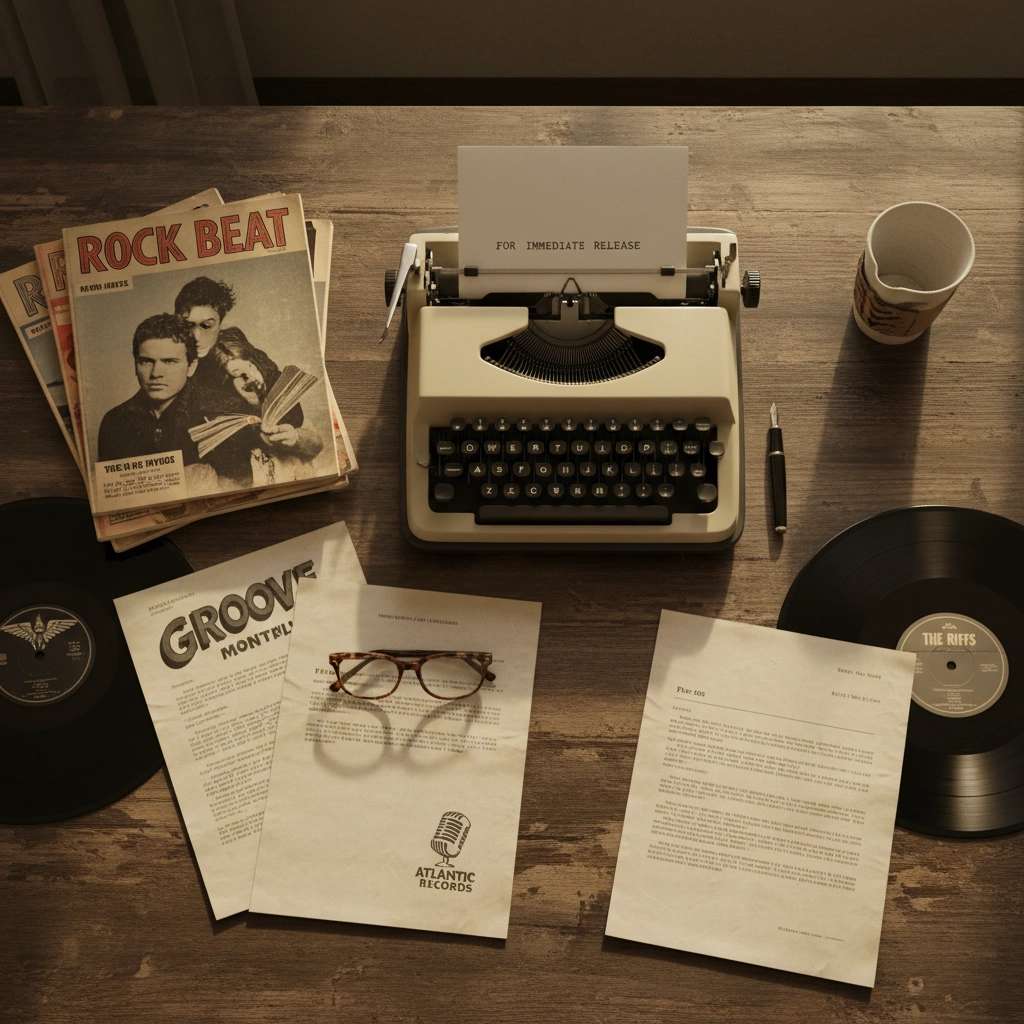
Your subject line determines whether emails get opened. Try: "New [Genre] Single from [Your City] Artist [Your Name]" rather than generic "New Music Submission."
Include:
- Compelling hook about your story or sound
- Link to your best track
- Brief background paragraph
- Professional photo
- Contact information
Build Local Community Support
Connect With Local Venues
Even in the streaming age, local scenes matter. Build relationships with venue owners, promoters, and other artists. Live performances help you develop as an artist and create authentic fan connections.
Partner With Local Businesses
Many independent record stores, coffee shops, and creative spaces support local artists. Funky Moose Records, for example, often features regional artists and helps promote new releases to music lovers in the community.
Radio Still Matters
Don't overlook radio, including community stations and online shows like Funky Moose Radio. Many stations actively seek new music, especially from local artists. College radio particularly supports independent music.
Avoid Common Promotion Mistakes
Don't Neglect Your Existing Fans
Focus energy on converting casual listeners into dedicated fans rather than only seeking new audiences. Engaged fans stream repeatedly, share your music, and attend shows.
Avoid Playlist Payola
Never pay for guaranteed playlist placement. Legitimate playlists don't charge fees, and paid placements often deliver fake streams that hurt your long-term algorithmic performance.
Don't Release and Disappear
Promotion continues after release day. Share user-generated content, respond to comments, and keep engaging. The algorithm rewards consistent activity.

Track Your Progress
Monitor Key Metrics
Focus on:
- Streaming numbers across platforms
- Social media engagement rates
- Email list growth
- Website traffic
- Playlist additions
Use Analytics to Improve
Streaming platforms provide demographic data about your listeners. Use this to target similar audiences in future campaigns and book shows in cities where you have strong streaming numbers.
Budget-Friendly Promotion Tips
Content Creation Tools
Use free tools like Canva for graphics and Reaper or GarageBand for audio editing. Many professional-looking promotional materials can be created without expensive software.
Cross-Promote With Other Artists
Partner with artists at similar career levels for mutual promotion. Share each other's content, collaborate on playlists, or organize joint shows to expand both audiences.
DIY Music Videos
Simple, creative videos often perform better than expensive productions. Use your smartphone, natural lighting, and creative concepts to produce engaging visual content.
The Long Game
Success in music promotion requires consistency over time. Each release should build on previous efforts, growing your audience and improving your promotional skills. Document what works for your specific sound and audience, then refine your approach with each new release.
Remember, even established artists face challenges getting heard in today's saturated market. Focus on creating genuine connections with fans who truly connect with your music – these authentic relationships form the foundation of lasting musical careers.
The music industry continues evolving rapidly, but artists who combine great songs with smart, persistent promotion strategies will always find their audience. Start with these fundamentals, stay consistent, and adapt your approach based on what resonates with your specific fanbase.
Your music deserves to be heard – now you have the tools to make sure it reaches the right ears.
